Does Ozempic Cause Muscle Loss in Men? What Toronto Men Need to Know in 2026
Yes — Ozempic causes muscle loss in men, and the numbers are worse than most people realize. Clinical trials show that 20% to 25% of the total weight a man loses on semaglutide is lean muscle, not fat. A landmark trial measured a 13.9% drop in lean body mass — roughly 15 pounds of muscle — over 68 weeks of treatment. For Toronto men over 40, who are already losing about 1% of their muscle mass each year naturally, that loss compounds in ways that are very hard to reverse. The drug shrinks the scale. It also shrinks the engine that keeps your metabolism running.
We’ve been coaching men through weight loss in Toronto since 1985, and the men walking into our North York clinic this year have a story we didn’t hear five years ago. They lost 40 or 50 pounds on Ozempic or Wegovy. They look smaller in the mirror. But they’re weaker. Their pants fit but their grip strength is gone. Their doctor mentions a drop in muscle mass on the body composition scan, and nobody warned them. This guide explains what’s actually happening to a man’s body on GLP-1 drugs, why muscle loss matters more than the number on the scale, and what real lean-protective weight loss looks like for men in the GTA.
Muscle loss is only one piece of the picture — our 2026 guide breaks down whether Ozempic is safe long term.
Why GLP-1 Drugs Cause Muscle Loss in the First Place
Ozempic, Wegovy, and Mounjaro work by mimicking gut hormones that signal fullness. You eat less because you're not hungry. That part is well understood. The part that gets less attention is what happens when your body has to fuel itself on a sharp calorie deficit for months or years at a time.
When the calorie deficit is large and sustained, your body doesn’t politely lose fat first. It breaks down whatever it can — fat, yes, but also lean tissue. Muscle is metabolically expensive to keep around. If you’re eating well below your needs and not actively training your muscles, your body reads that as a signal that the muscle isn’t needed. So it sheds it.
Add another factor: men on GLP-1 drugs usually report not just smaller portions but a complete loss of interest in food. Protein intake — the single most important nutrient for protecting muscle — often drops well below what’s needed. That’s the recipe for losing muscle alongside fat.
The Numbers: How Much Muscle Toronto Men Actually Lose
The published research is clear, even if it isn’t being communicated well at the pharmacy counter.
A widely cited semaglutide trial measured body composition with DEXA scans over 68 weeks and found that roughly 40% of total weight lost was lean mass — not just muscle, but bone density and organ tissue too. More recent reviews focused specifically on skeletal muscle suggest that 20% to 25% of weight lost on GLP-1s is muscle in men, and the percentage is higher for men over 50.
Newer 2026 data is starting to clarify the picture. A large review of 36 studies published this spring confirmed that lean mass loss is a consistent finding across patients, with men generally losing slightly more lean tissue than women on equivalent doses. That review also flagged a second concern: when men eventually regain weight after stopping the medication — which most do — the regained weight is overwhelmingly fat. So a Toronto man who lost 50 pounds on Ozempic and regained 35 doesn’t return to where he started. He returns with less muscle, more fat, and a worse body composition than when he began.
The mirror lies in this situation. The scale lies too. The only honest measurement is body composition, and body composition is where the damage shows up.
Why Muscle Loss Hits Men Over 40 Hardest
Most of the men we work with at Harvey Brooker are 40 or older, and the muscle-loss picture is more serious in this group for three specific reasons. First, age-related muscle loss — called sarcopenia — begins quietly in your thirties and accelerates after 40. The average man loses about 1% of his muscle mass per year between 40 and 70 without any intervention. If you stack a year on Ozempic on top of that, you can compress a decade of natural muscle decline into 12 months.
Second, testosterone naturally declines about 1% per year after age 30. Lower testosterone means your body has a harder time building or holding muscle, even when you eat enough protein and train regularly. The drug doesn’t change your testosterone level, but the calorie deficit and the loss of appetite can suppress it further.
Third, the chronic conditions that often drove a man to Ozempic in the first place — type 2 diabetes, fatty liver, high blood pressure, low energy — are all linked to insulin resistance. Muscle is the most insulin-sensitive tissue in the body. Less muscle means worse blood sugar control, which is the opposite of what most men taking these drugs are hoping to achieve. Over the long term, a Toronto man who loses 15 pounds of muscle in pursuit of weight loss can end up more metabolically vulnerable than he was at his higher weight.
The Signs You’re Losing Muscle on Ozempic
You can’t see muscle loss in a mirror — at least not until it’s already advanced. There are quieter signals that show up first. The men who come to us during or after GLP-1 treatment usually report a familiar cluster of symptoms.
Strength drops in everyday tasks. Carrying groceries from the car, getting up from a low chair, climbing a flight of stairs — all of it feels harder than it used to, even though the man is now 30 or 40 pounds lighter. Recovery slows. A weekend of yard work that used to leave you a little sore now leaves you wiped out for three days. Energy crashes between meals or in the afternoon become more frequent. Sleep can get worse. And many men report that even after stopping the drug, their workouts don’t return to the level they were at before they started.
If any of that is showing up — if you’re lighter on the scale but slower, weaker, and more tired in daily life — that’s the muscle talking.
How to Protect Muscle While You’re On (or Coming Off) GLP-1 Drugs
This isn’t medical advice and we’d never tell a man to stop a prescription his doctor put him on. What we can share is what 40 years of coaching men through weight loss in Toronto has shown us works, regardless of whether a man is on a GLP-1 or not.
Protein has to come first. Aim for at least one gram of protein per pound of your target body weight, spread across three or four meals. For most men that means 30 to 50 grams of real protein at every sitting — eggs, chicken, fish, lean beef, cottage cheese, Greek yogurt. Not shakes. Not bars. Real food. On Ozempic, this is harder than it sounds because your appetite is suppressed. So you eat protein on a clock, not on hunger.
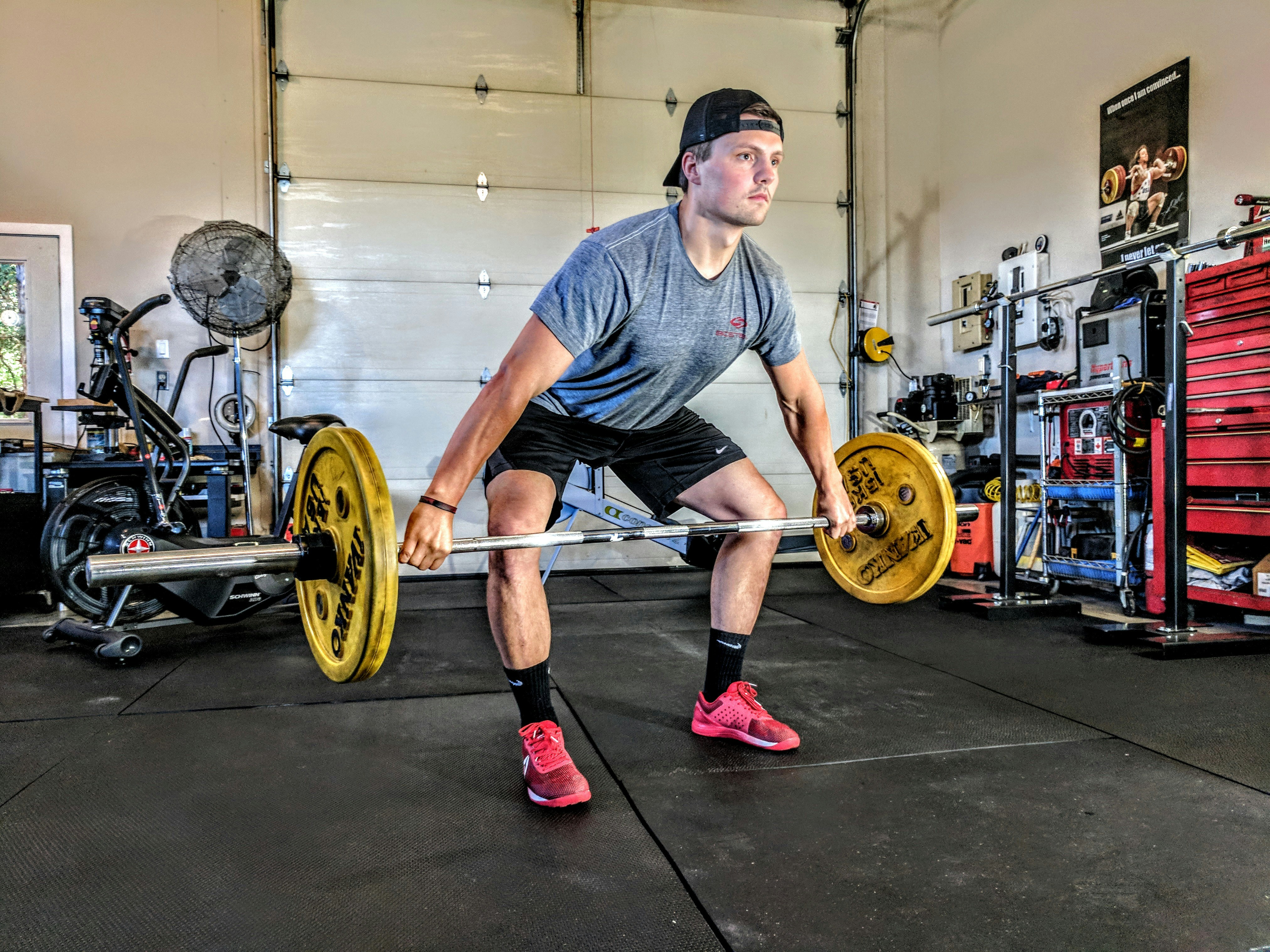
Strength training matters more than cardio. Two or three resistance sessions a week — even short ones — send your body a signal that the muscle is needed and keeps the lean mass from being broken down for fuel. Walking is good. Lifting is essential.
Stay hydrated and don’t skip meals. Many men on GLP-1s drift into a pattern of eating once or twice a day because they’re never hungry. Skipping meals over months speeds up muscle loss, especially when paired with low protein intake.
And — this is the part the pharmacy never tells you — start building the lifestyle now, while you’re still on the drug. Don’t wait until you stop. The men who keep their muscle through and after Ozempic are the ones who started eating like an athlete and training like one during treatment, not the ones who relied on the injection to do all the work.
Reserve your free introductory session at Harvey Brooker Weight Loss for Men and we’ll walk you through the same 20/20 Healthy Eating Plan that 10,000+ men across the GTA have used to lose weight without losing muscle.
What Happens to Your Muscle After You Stop Taking Ozempic
We covered the weight rebound in detail in our companion piece, What Happens When You Stop Taking Ozempic. The muscle picture is its own conversation.
When a man stops the medication, his appetite returns within a week or two, and his weight tends to creep up over the following 12 to 18 months. The composition of that regained weight is the problem. Without an active training and protein plan in place, the body adds back fat much faster than it adds back muscle. So even a man who returns to his starting weight ends up with less lean tissue and more fat than before. He looks roughly the same on the scale. His body composition tells a different story.
This is exactly why we tell men coming off Ozempic that the work begins on day one of stopping, not when the rebound is already in motion. Rebuilding muscle in your forties or fifties is possible, but it takes consistent resistance training, deliberate protein intake, and the kind of weekly accountability that most men can’t sustain on willpower alone. That’s the gap our program fills.
The Harvey Brooker Approach: Lose Fat, Keep the Engine
Our program has never used drugs, shakes, or surgery. Since 1985 we’ve coached over 10,000 men across Toronto, the GTA, and Ontario to lose weight by changing what they eat, how often they eat, and the structure they build around it. The fact that we don’t use medication isn’t a marketing position — it’s the entire point. You can read more about our medication-free philosophy here.
What that looks like in practice:
We teach you the 20/20 Healthy Eating Plan, which centres protein at every meal and uses real food in satisfying portions. There’s no calorie counting, no powder, no meal replacement to buy from us. You eat regular food, you eat enough of it, and you eat it on a schedule that protects your muscle while the fat comes off.
You get weekly group coaching with our team. Forty years of coaching men has taught us that men succeed faster when they’re not doing it alone — and group accountability is the active ingredient in why our members hold the weight off for a decade or more, not a year or two.
The program is covered by many Ontario insurance providers, so most of our members pay far less out of pocket than they would for a year of Ozempic injections — and the result is permanent rather than rented.
The men who come to us mid-Ozempic, post-Ozempic, or who never started in the first place all end up in the same place: stronger, leaner, and confident that what they’ve built doesn’t disappear the moment a prescription runs out.
Frequently Asked Questions
How much muscle do men actually lose on Ozempic?
Clinical studies show that roughly 20% to 25% of total weight loss on semaglutide is lean muscle in men, with some trials measuring lean mass loss as high as 13.9% of starting body composition. The amount varies by dose, duration of treatment, protein intake, and whether the man is doing resistance training during treatment.
Can I prevent muscle loss while taking Ozempic?
You can reduce it significantly, though it’s hard to eliminate entirely on a sustained calorie deficit. The most effective strategies are eating at least one gram of protein per pound of target body weight, doing two to three resistance training sessions per week, staying hydrated, and not skipping meals — even when appetite is suppressed.
Will the muscle come back if I stop Ozempic and start training?
Some of it can, but rebuilding muscle after age 40 takes longer than building it for the first time in your twenties. Men who stop the drug and immediately commit to a structured eating plan and resistance training program can recover meaningful strength within six to twelve months. Without that structure, the muscle generally doesn’t come back on its own.
Is muscle loss on Ozempic worse for men over 50?
Yes. Natural age-related muscle loss accelerates after 50, and lower testosterone makes rebuilding harder. Men over 50 who lose substantial lean mass on a GLP-1 drug are at higher risk for falls, fractures, insulin resistance, and reduced metabolic rate than younger men with the same percentage of muscle loss.
What’s a better long-term option than Ozempic for Toronto men?
A structured lifestyle program designed for men — one that protects lean mass through protein-forward eating and weekly accountability — produces weight loss that lasts and doesn’t damage muscle in the process. At Harvey Brooker Weight Loss for Men, we’ve coached 10,000+ men across the GTA to do exactly that since 1985, with no injections, no pills, and no shakes. Many Ontario insurance plans help cover the cost.
Should I read your other article on stopping Ozempic before deciding?
If you’re already on a GLP-1 or considering coming off, our companion piece What Happens When You Stop Taking Ozempic walks through the rebound process and the lifestyle changes that hold weight off for the long term.
Real advice. Real results. If you could do it alone, you would have done it already.
Other articles
You Can Lose Weight Online – Virtual Weight Loss Programs Are Effective
Online weight loss programs that are based on accountability and developing healthy eating habits are effective for several reasons. Firstly, they...
ADVICE

Winning at Weight Loss for Busy Men
In today’s fast-paced world, the struggle to balance the professional hustle with a healthy lifestyle can seem like an uphill battle, especially fo...
ADVICE

Weight Loss: Nurturing Your Mental Well-being Along the Journey
Written by Kalliopi Kyrani, MHSc, RD Have you ever thought about how weight loss can impact your mental health? Weight loss is not just about...
ADVICE